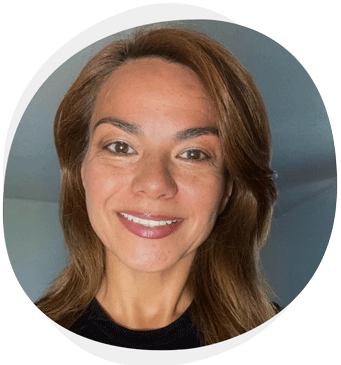

Barbara Wabanonik
“When I sew, I feel good. I don’t notice time passing. I can stay there until my back hurts or until it gets dark.”
Barbara grew up in the forest until she was 12 years old. Born in Lebel-Sur-Quévillon, she lived in Rapide-Des-Cèdres and then at Camp Comtois, walking every morning to catch the school bus. As a member of the Lac Simon community—the home community of her mother, Monique Wabanonik—her identity is rooted in four nations: her father is Wendat and Kanienʼkehá:ka, and her mother is Anicinabe and Eeyou. It was the racism she experienced at school that led her mother to send her to Lac Simon, where she discovered the traditional crafts practiced in the community. She now lives in Val-d’Or.
From childhood, Barbara expressed herself more easily through drawing than through words. When she recounted her summer at the start of the school year, she did so in images. This way of expressing herself through art never left her. She would craft things in the forest, repair whatever could be fixed. This hands-on curiosity naturally extended into the arts.
Visits to her grandfather’s home particularly stimulated her curiosity and creativity, which remained at the heart of her practice.
“What inspired me most was going to my grandfather Max [Gros-Louis]’s place in Wendake. It was decorated with anicinabe objects. The walls were completely covered. I would look at how things were made.”
She began beading around 8 years old with her mother. Two or three years later, in fifth grade, with teacher Monique Papatie in Lac Simon, she made her first pouch. Since then, she never stopped sewing. She sewed by hand until age 21, when she bought her first machine.
“I pick something up, I look at how it’s made, or if it’s no longer in good condition, I’ll take it apart to see how it was done.”
Mediums and Practice
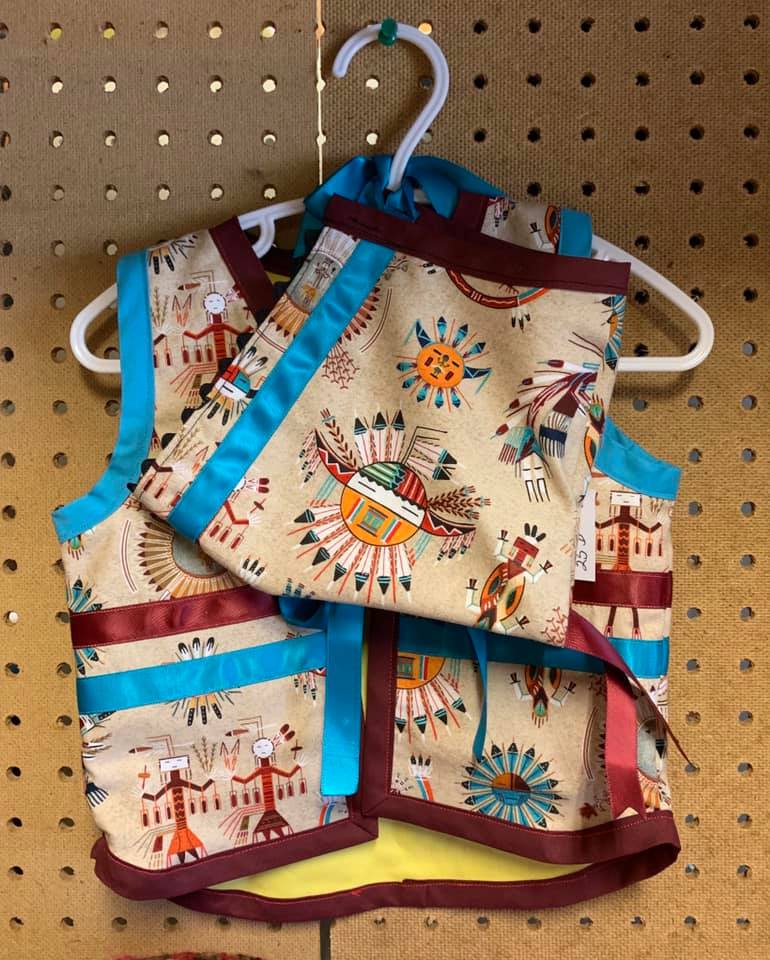
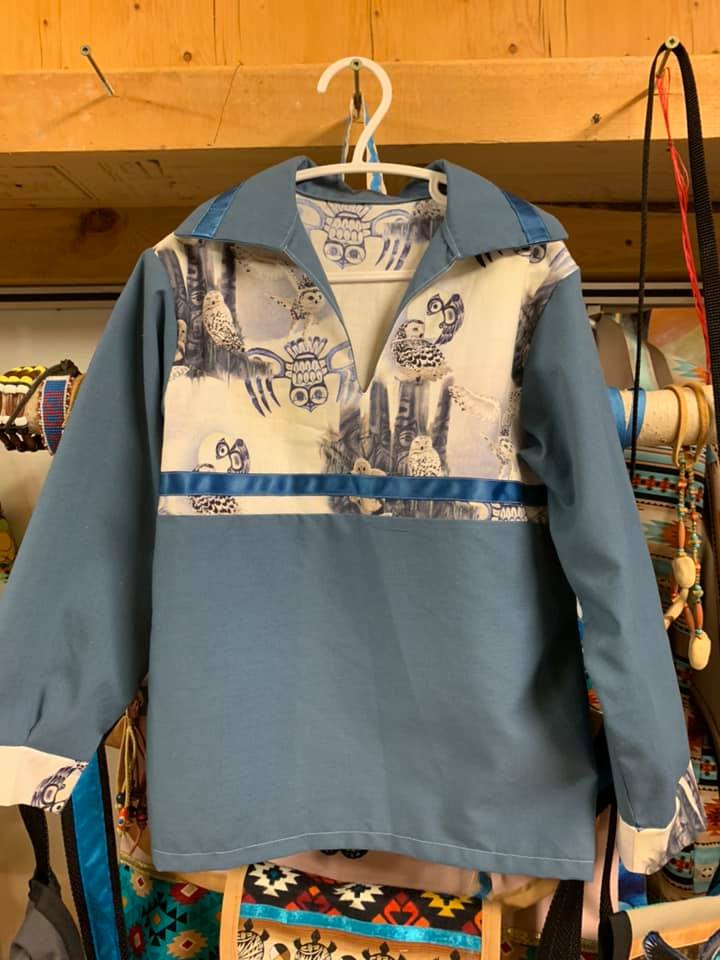
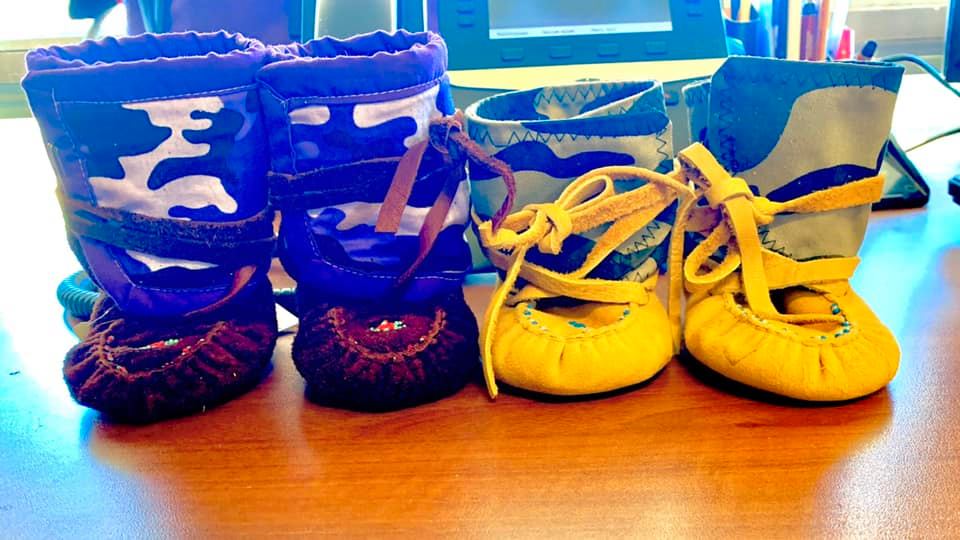
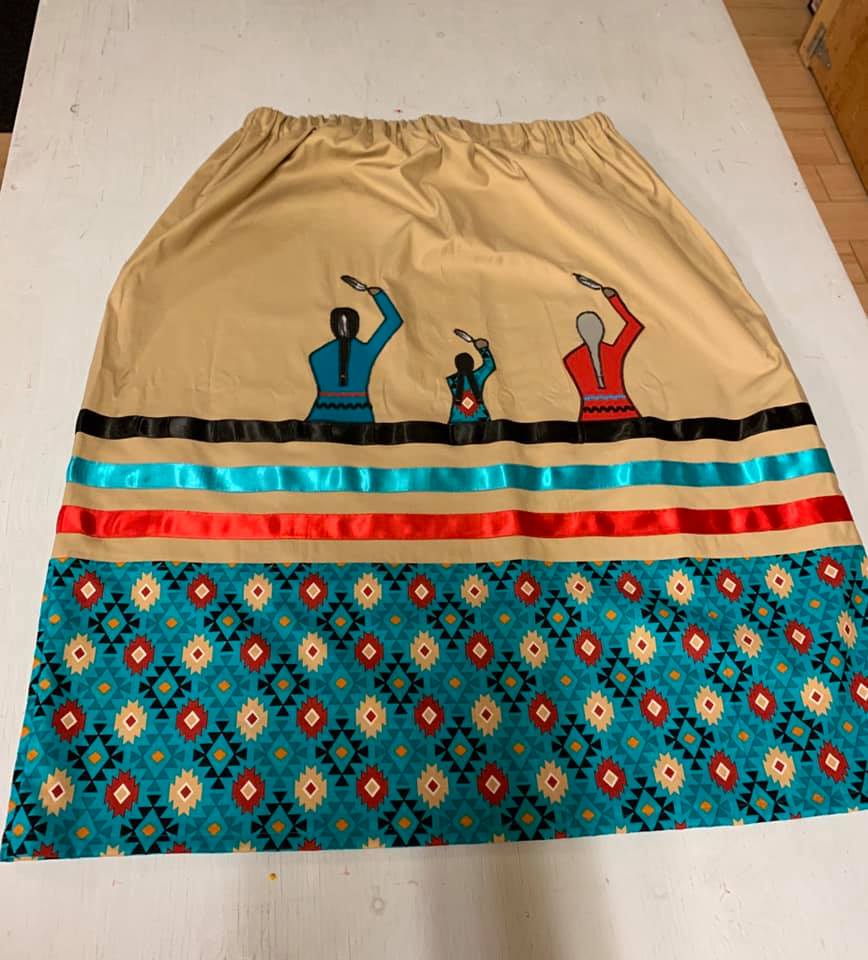
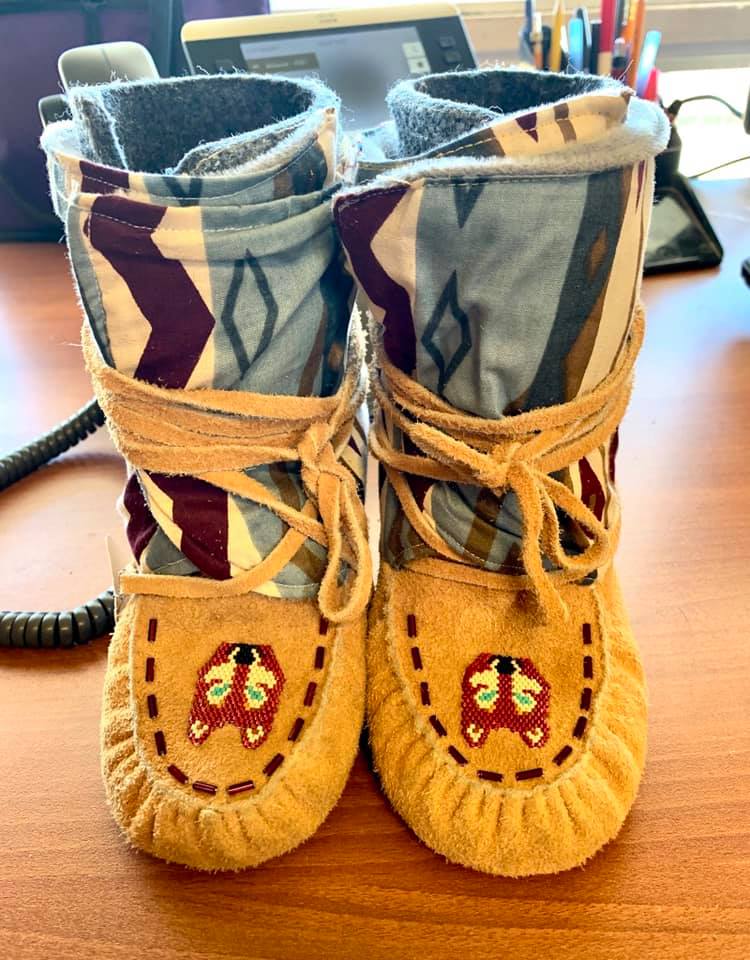
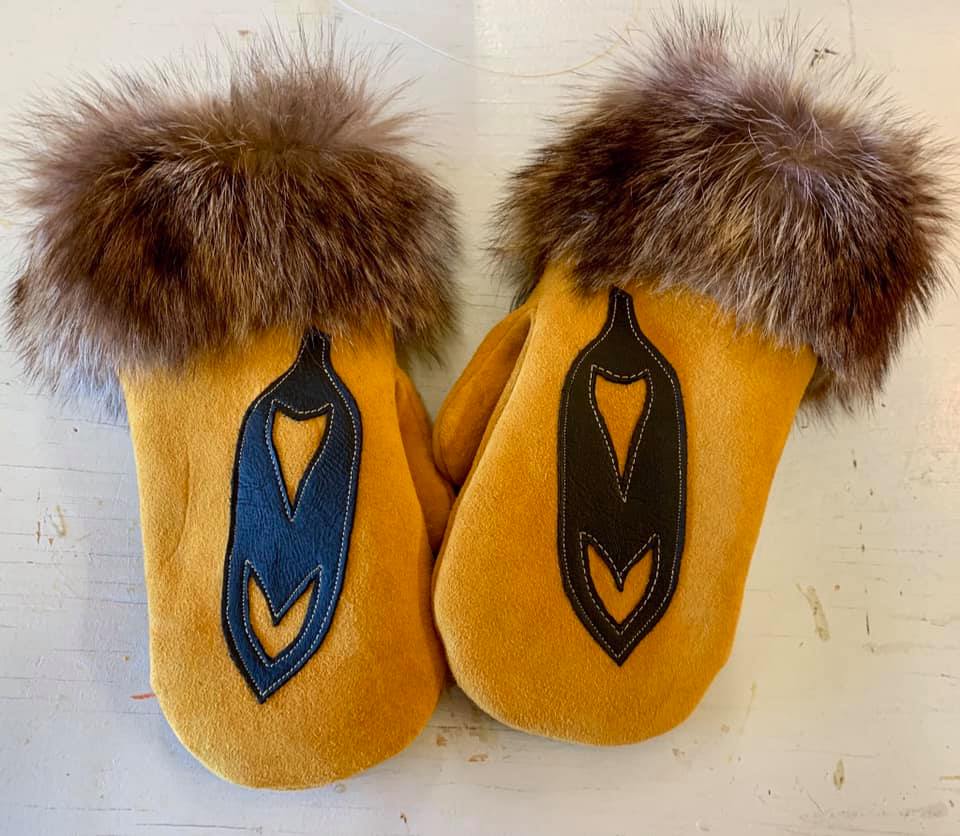
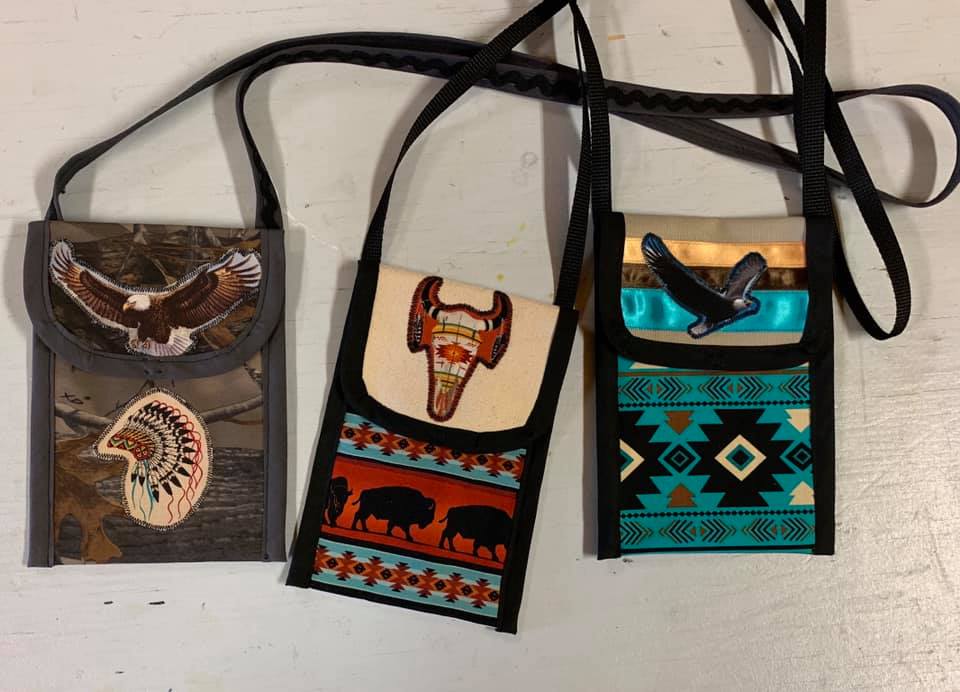
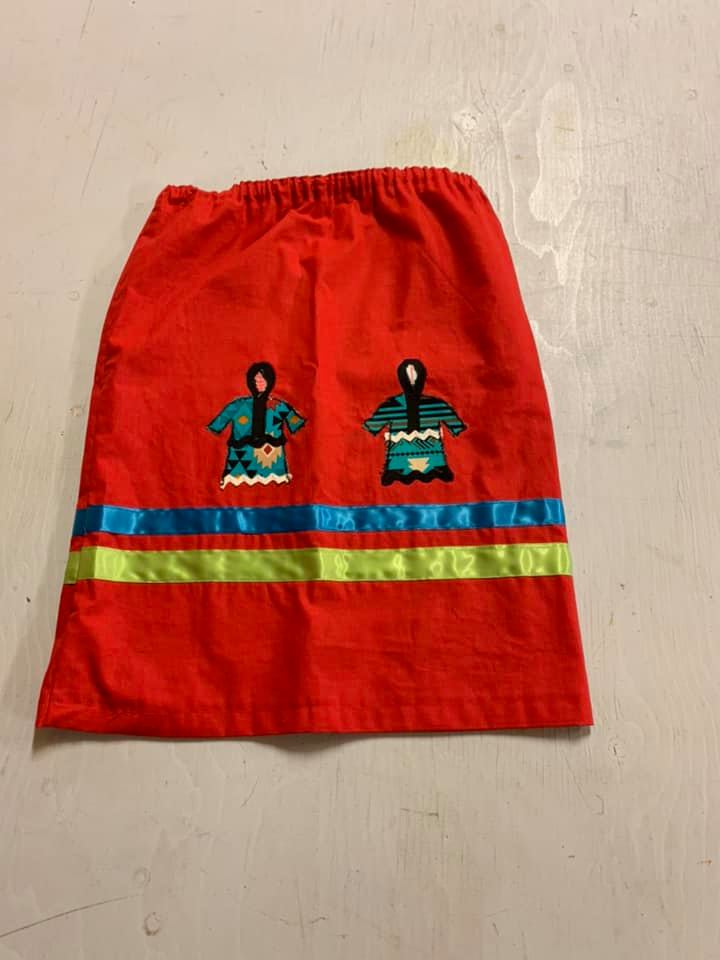
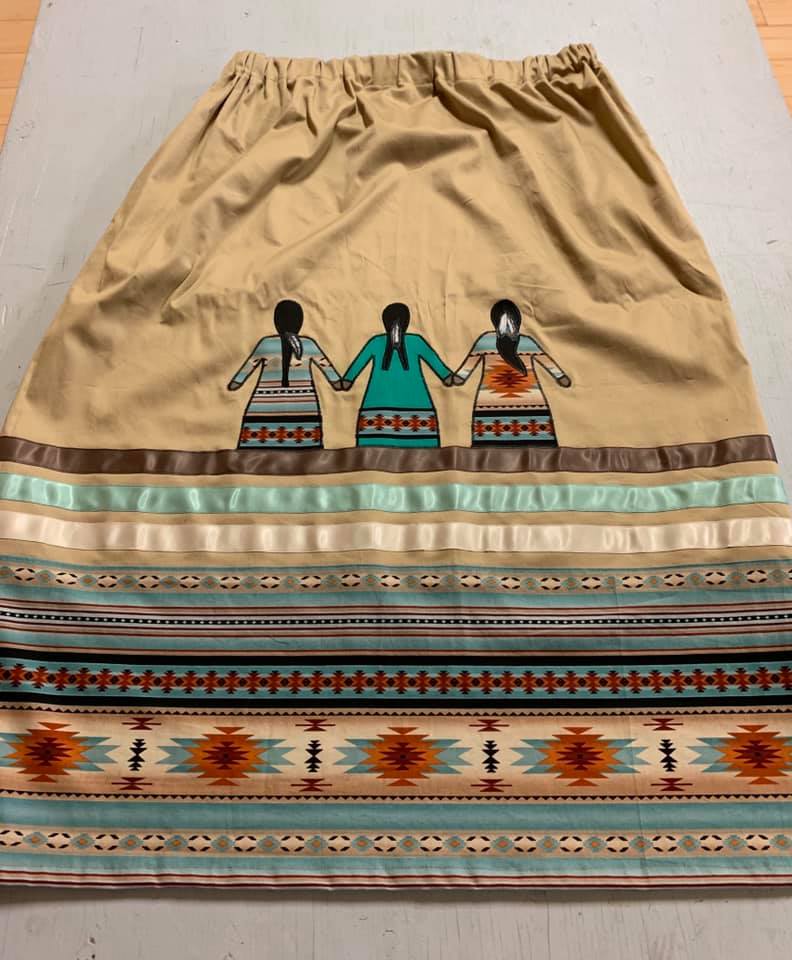
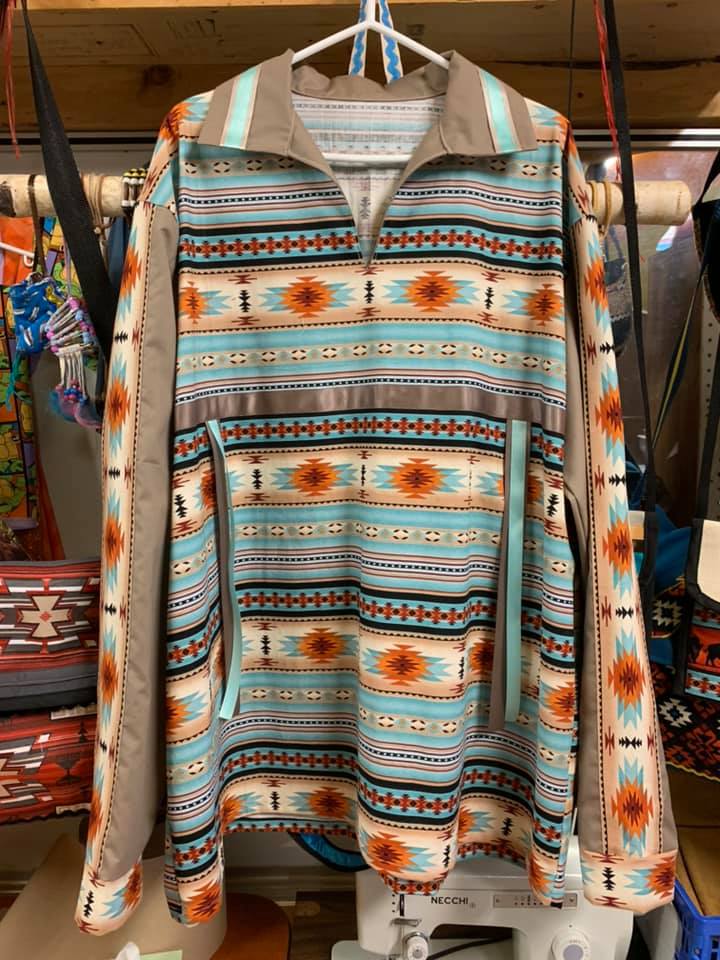
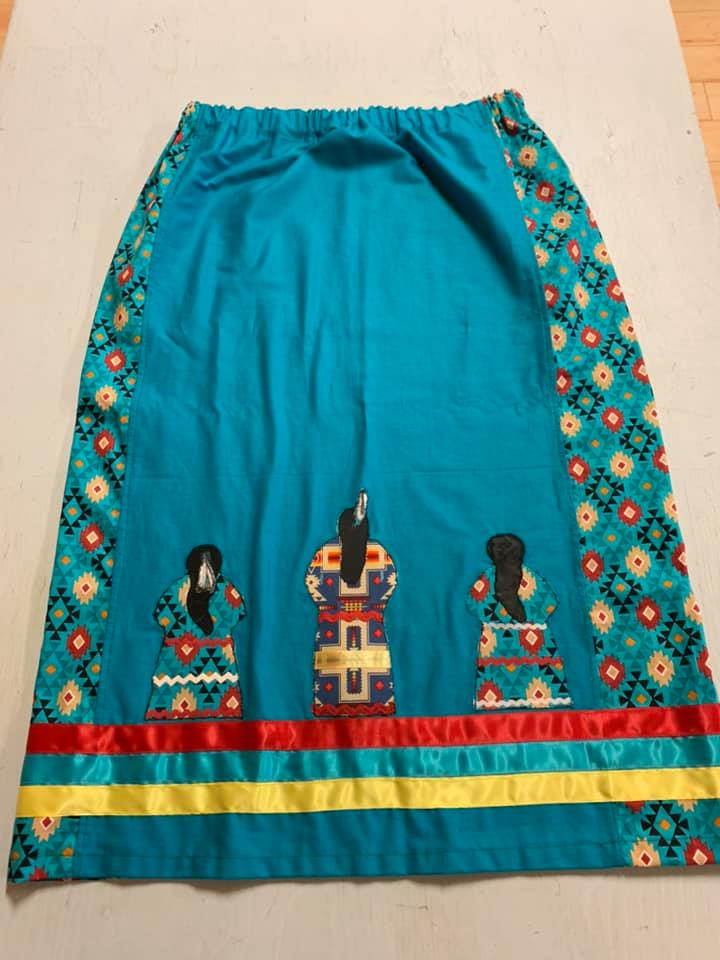
Although she focuses on sewing, Barbara works across several disciplines: wood and stone sculpture, birchbark work, dreamcatchers, and decorating moose or deer antlers that she paints, cuts, and adorns with feathers. She makes moccasins, mittens, vests, ponchos, regalias, and complete baby carrier sets, composed of a diaper bag, a sheet, a matching hat, and misapisin – moose bag. She beads less than before, as her eyesight makes that form of creation more difficult.
To create her own patterns, she sometimes draws inspiration from existing motifs, sketching, modifying, and adjusting multiple times. Her relationship with materials is intuitive. When she receives a commission, she works from the colors and images requested by the client. In times of mourning, she puts her skills at the service of the family by creating funeral floral arrangements from antlers, birchbark, feathers, and paint.
A Passion That Became a Career
A sewer instructor at Migona, the craft workshop in Kitcisakik, Barbara supervises employees and teaches sewing techniques, taking measurements, and using the sewing machine. In addition to offering evening sewing workshops, she makes parkas, a process that takes several days. Although she tries to keep her personal creations separate from her work, she acknowledges that the two inevitably intertwine.
“It’s a passion. I love my job.”
She particularly enjoys working with older adults, with whom the workshop becomes a genuine exchange. It is from the kokoms that she continues to learn her language.
“We chat, we laugh. It’s an exchange : you teach me to speak anicinabe, and I teach you sewing.”
Dreams and Aspirations
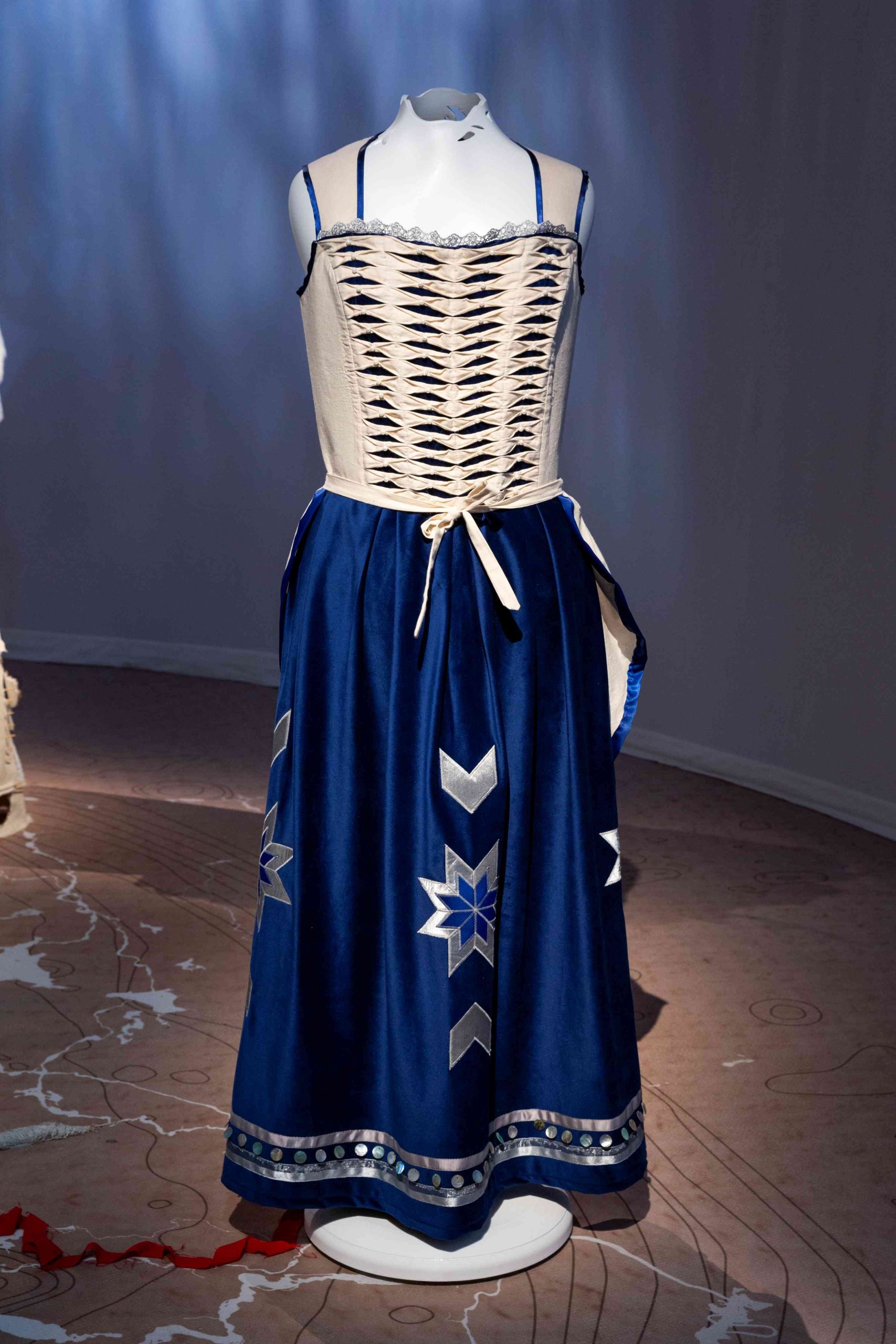
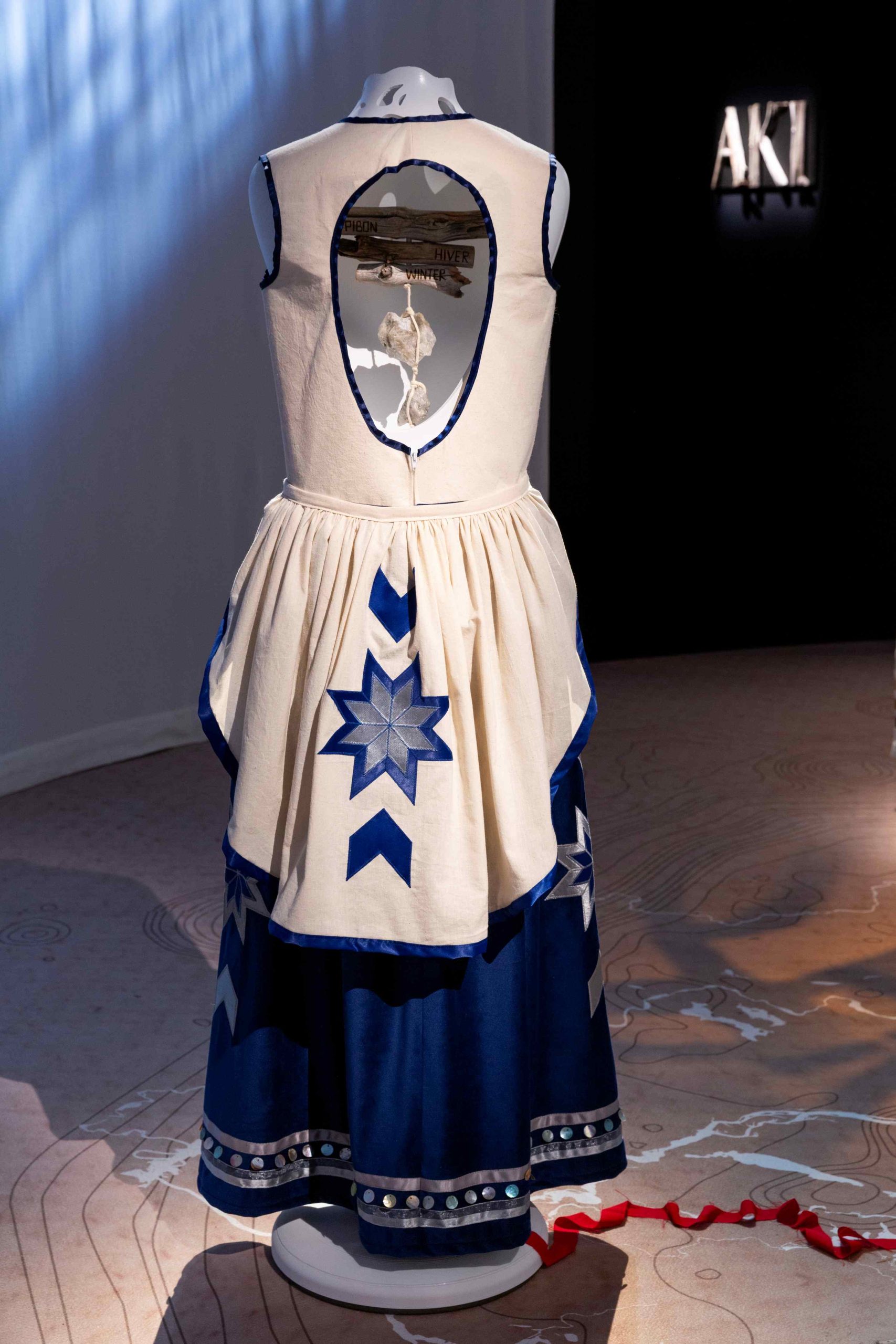
Barbara took part in a meaningful project: making a dress representing pibon – winter –for the NIN exhibition. This professional experience brought her all the way to New Mexico for the Santa Fe Indian Market (SWAIA).
She aspires to take a two-month design course in Banff to refine her skills and fulfill her dream of making wedding dresses. She also dreams of a workshop-boutique where she could create in front of clients, and of a dedicated workspace, spacious and free from distractions. More broadly, she shares a hope to see shared creative spaces emerge in communities, in cities, and wherever artists might need them.