
Craig Commanda
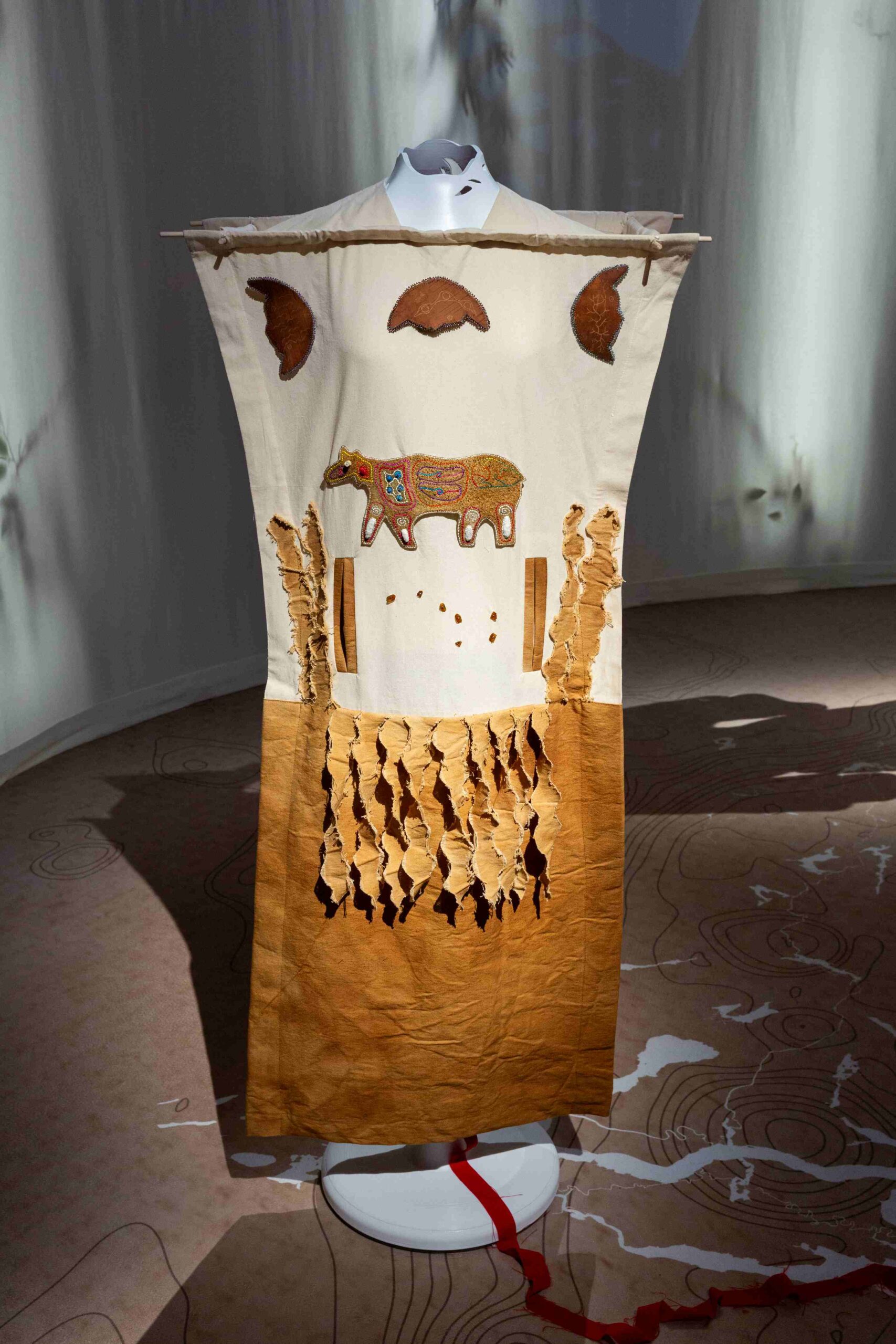
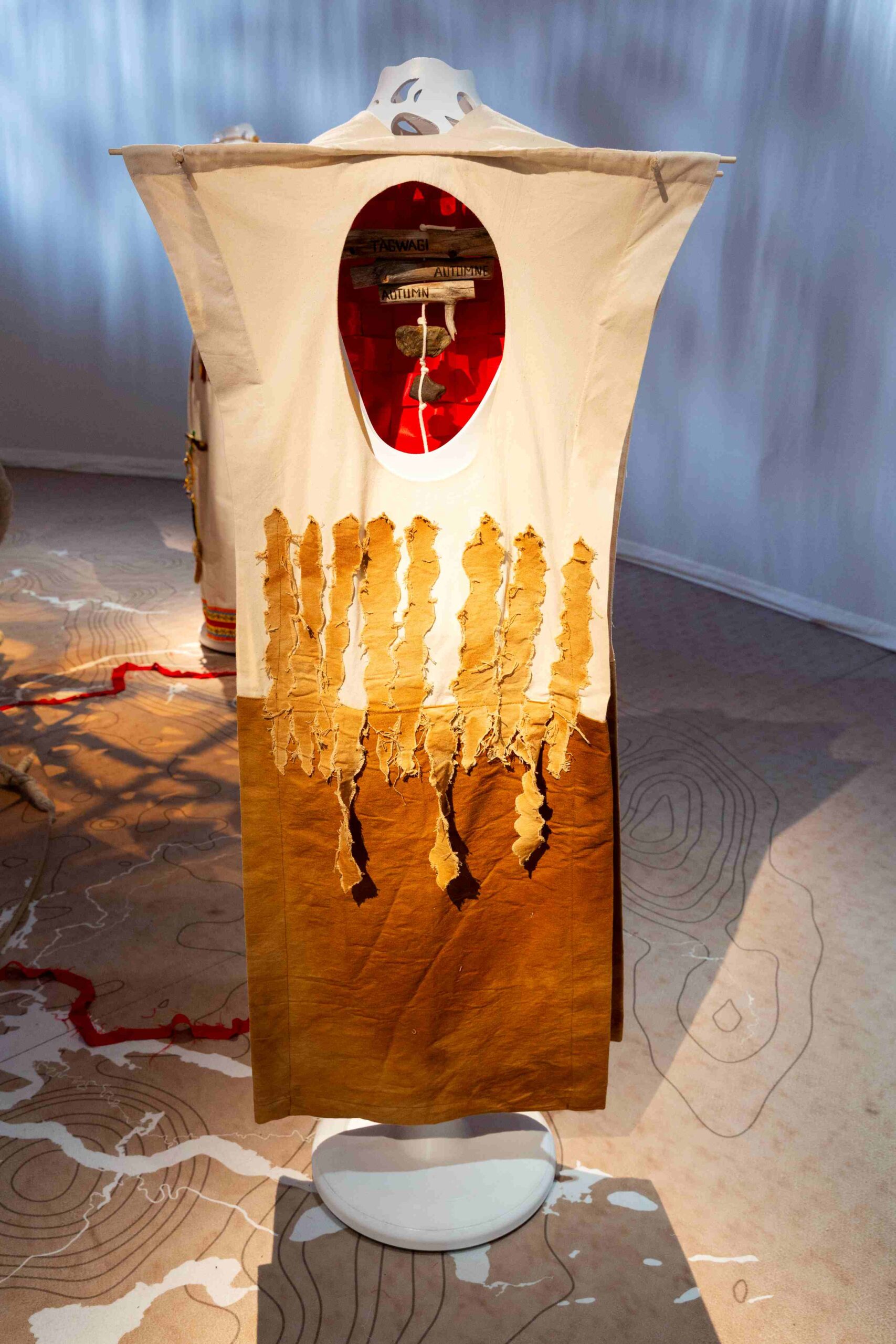
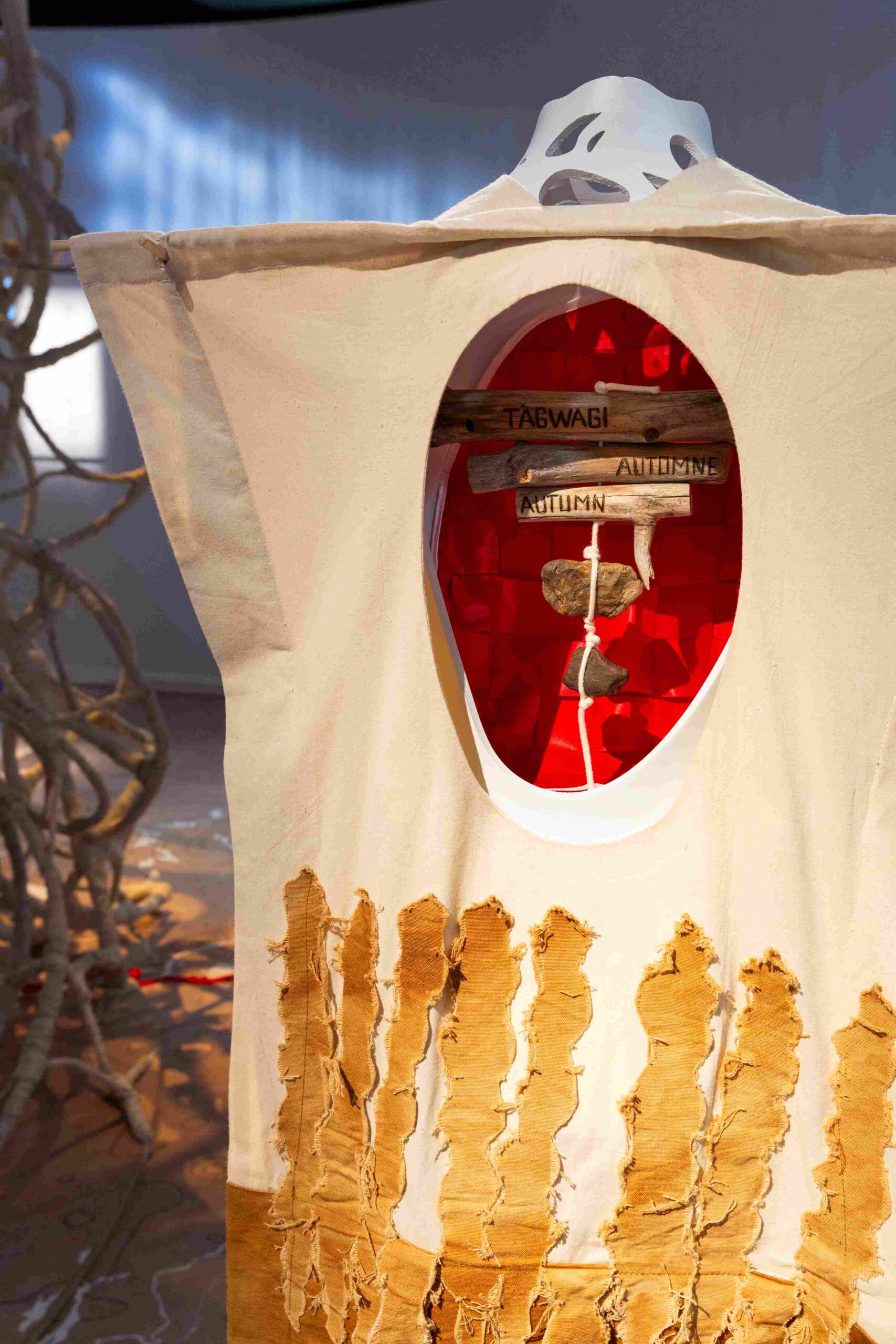
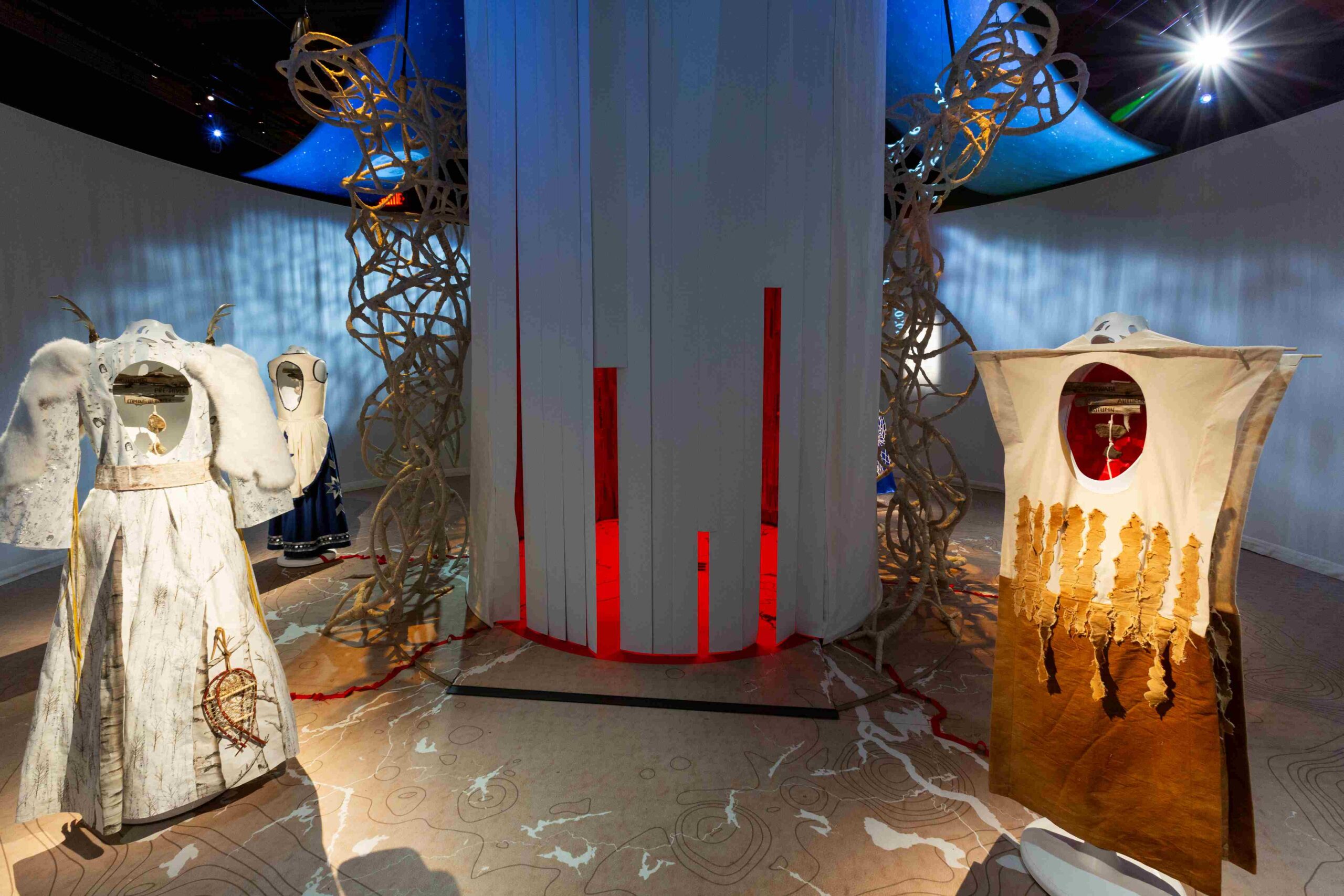
Rooted in the lands and stories of Kitigan Zibi, Craig Commanda has been a multidisciplinary artist since 2008. His practice encompasses beadwork, film, music and various other creative forms. He is part of the NIN exhibition, an exhibition on Anicinabe language and culture on display at the Musée de la civilisation.
According to Craig, being an artist was not a choice: it is simply who he is, even if he didn’t know it when he was young. He comes from a deeply creative family made up of several musicians and artists working in various mediums. His great-uncle William Commanda was a renowned artist, known for his drums, snowshoes and birchbark canoes.
“I feel like I’ve always been a visual artist, and it just took me being in the right place at the right time to start practicing.”
At 16, Craig left Kitigan Zibi to pursue post-secondary education, completing a music program in Kingston, then a film degree at Concordia University. He learned through a combination of being self-taught and learning from mentors. He is passionate about learning and preserving art forms he believes to be endangered, such as beadwork, porcupine quillwork and caribou tufting.
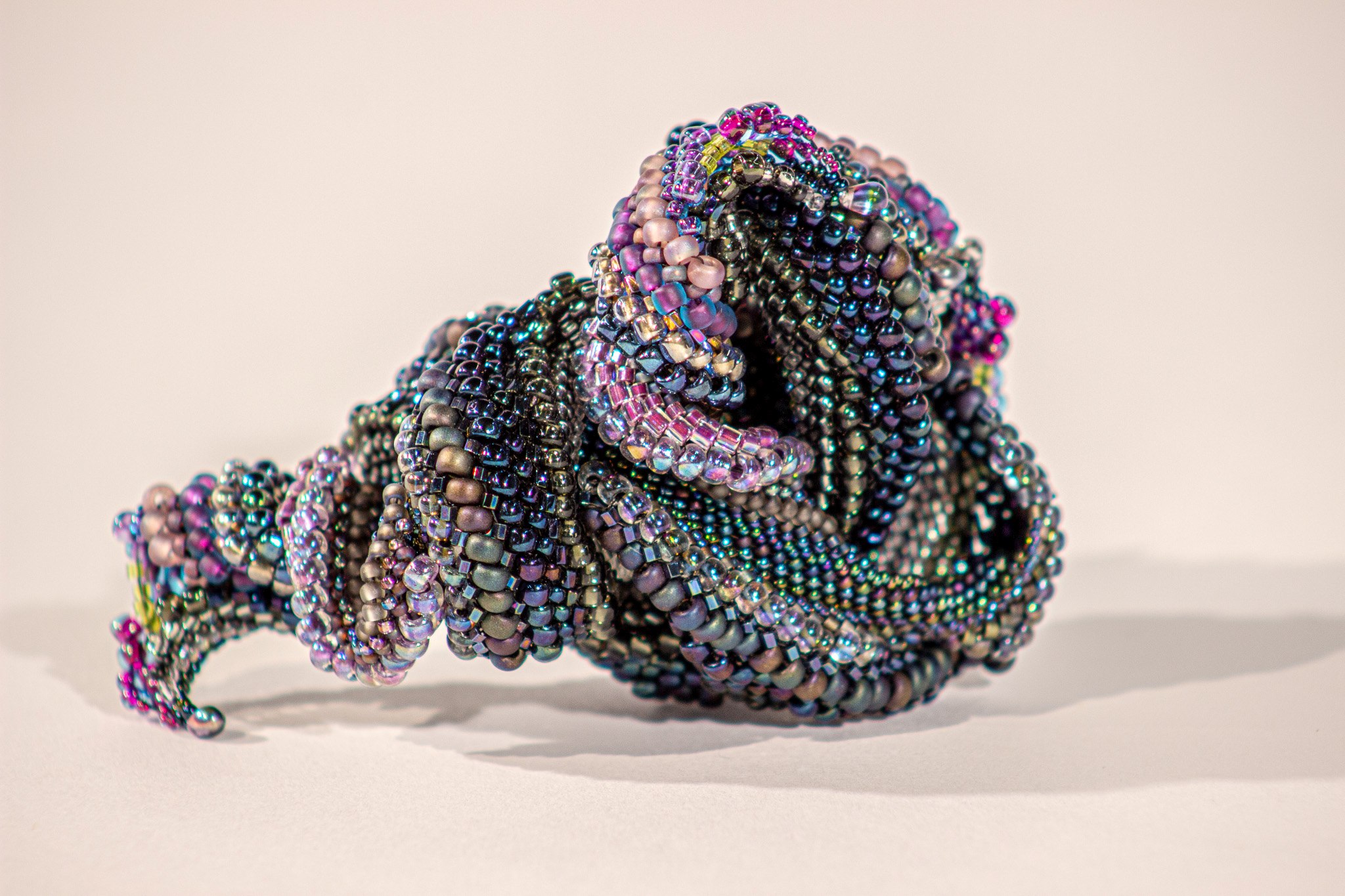
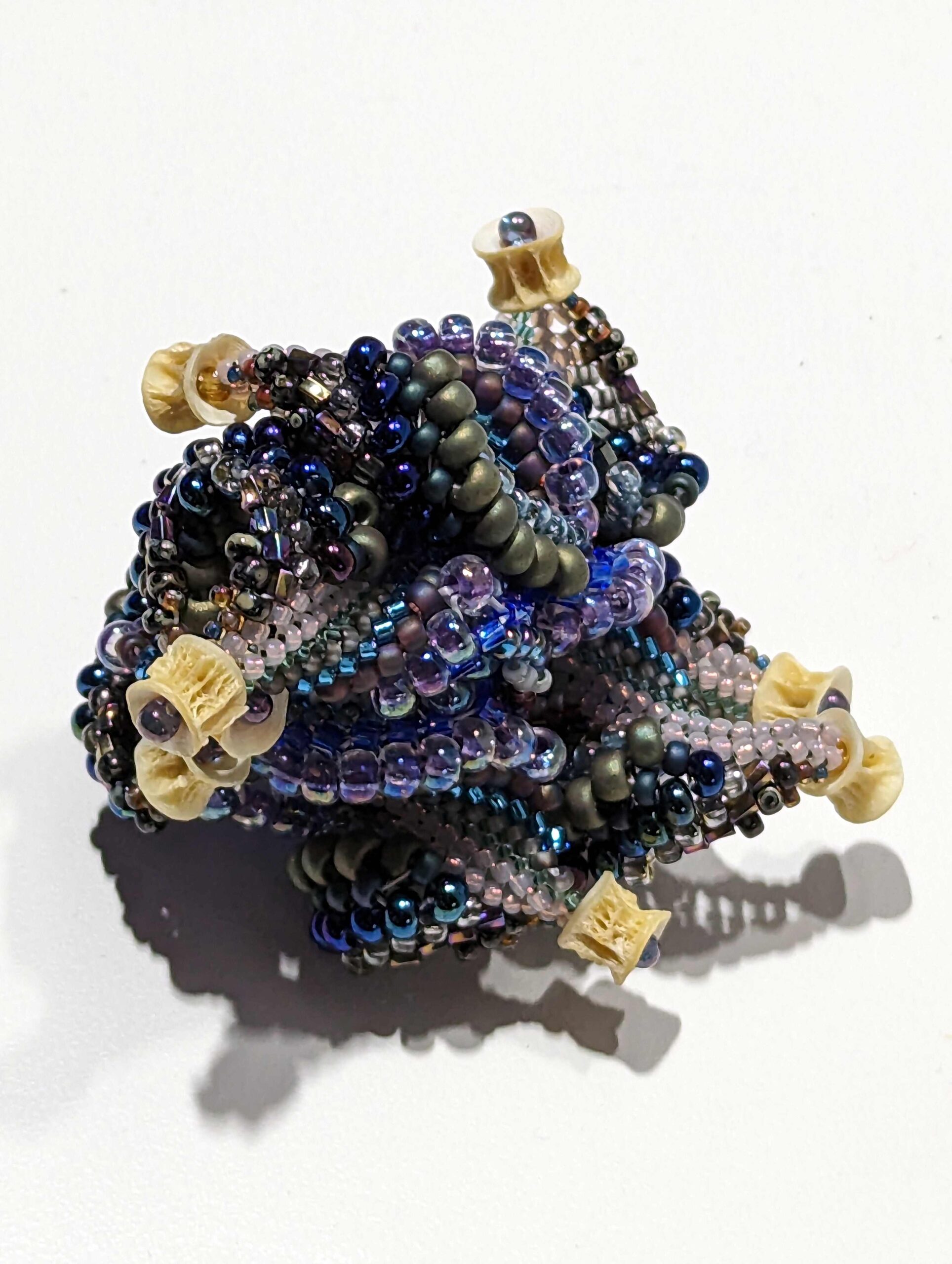
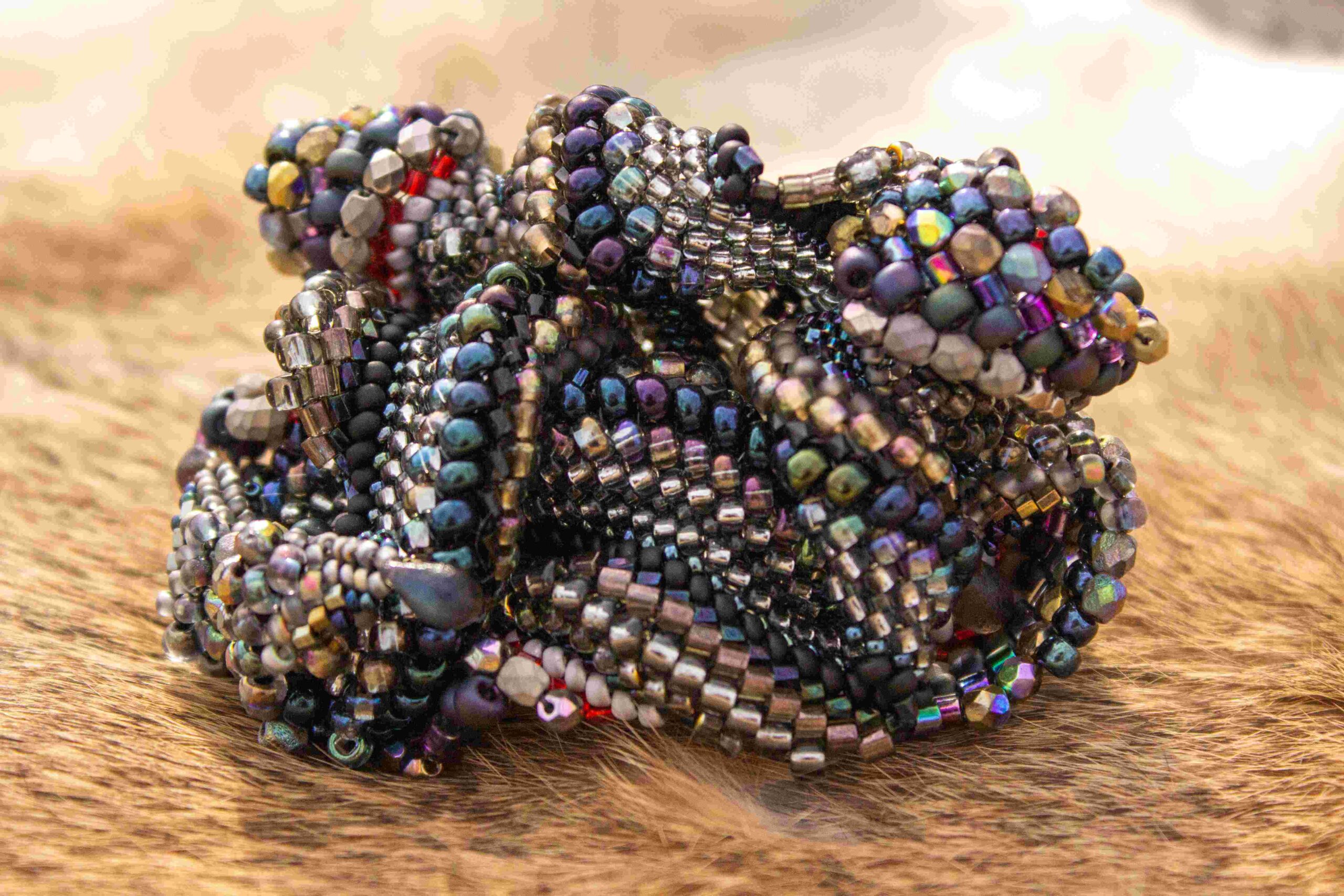
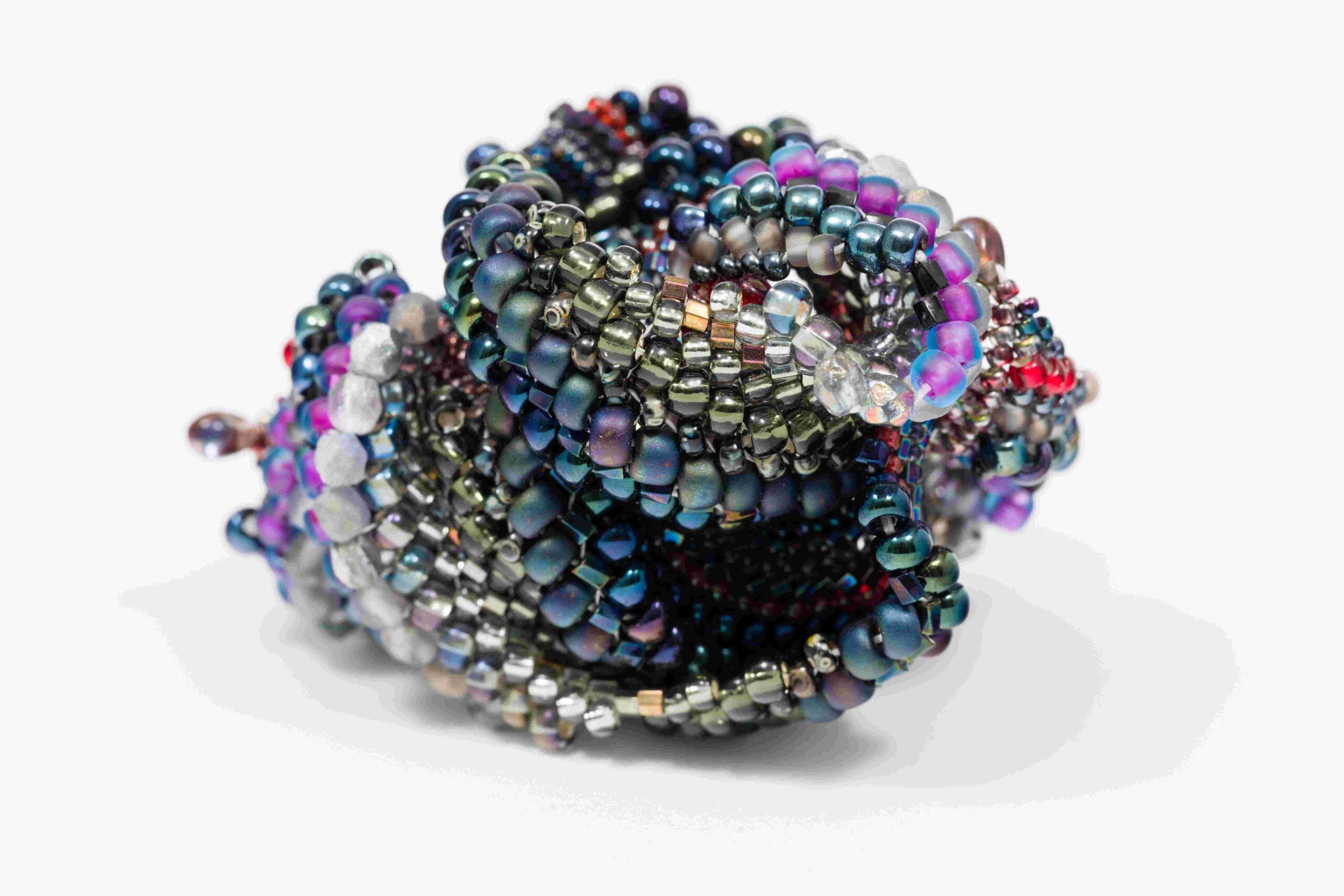
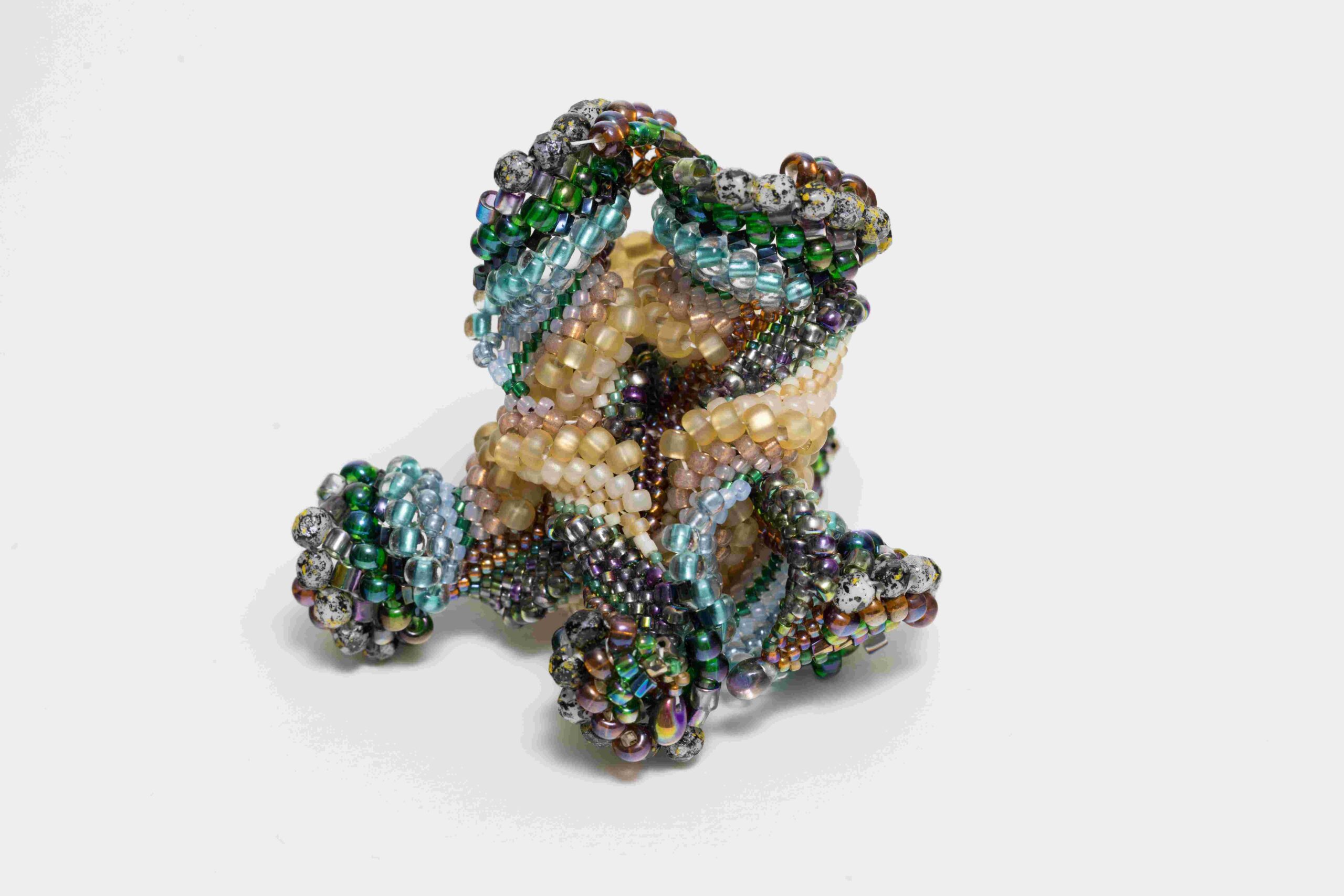
As the first Indigenous artist in residence at Atelier La Coulée, Craig created bronze sculptures inspired by repatriated objects from Kitigan Zibi’s Cultural Centre. He uses both 3D scanning and traditional lost-wax casting techniques to create lasting bronze pieces that honour objects from his nation that have survived through time. He also works with computer numerical control. His works are displayed in the First Nations Garden at Montreal’s Jardin Botanique. During the pandemic, he developed his signature bead sculpture style, which is now what he is known for.
Though he is widely recognized for the refinement of his beadwork, Craig’s artistic journey began with film and music. Over time, each medium became another way of listening, another way of expressing what lives between memory, culture, and imagination. He continues to move with ease between these different creative forms.
“I get inspired by local artisans around me. It gives me good motivation to keep practicing the arts because I see a lot of good work being produced. That inspires me to try new things as well.”
Guided by curiosity and a deep bond with his community, his work is shaped by experimentation, cultural connection, and a profound commitment to storytelling through varied artistic languages. Craig creates both personal works and commissioned pieces, navigating a rhythm familiar to many artists: periods of sustained creation, moments of waiting, short-term professional mandates that keep him active within the artistic community, and those opportunities that arise like a sudden opening in the sky.
Craig’s artistic journey has been deeply shaped by travel, beginning with his film work that took him to New Zealand multiple times, Switzerland and Toronto’s imagineNATIVE festival. It is, however, the Banff Centre that has had the greatest impact on his development. He has made 6 visits there and, over the years, has met cohorts of artists who continue to inspire him. Early in 2025, he went to Toronto to paint miniatures for a stop-motion animated film, a project that reflects his adaptability and the collaborative spirit at the heart of his work. His work also took him to Paris, where he exhibited his bead sculptures at the Grand Palais éphémère as part of a BACA (Biennial of Indigenous Contemporary Art) exhibition, bringing his culturally rooted practice to the international stage. These travels have expanded his artistic network, exposed him to diverse creative communities, and reinforced his commitment to representing Anicinabe culture and identity through his multidisciplinary work.
“I believe that as a person learning things, I can also pass those things along as well. It’s not just about me learning something. I would eventually like to pass those things to the next generations. That’s what we did for time immemorial. I just want to be part of the wave that brings that sort of thing back and forward.”
Craig occasionally teaches beadwork, cultural arts and porcupine quillwork at Native Montreal. Viewing the transmission of knowledge as essential, not only for himself, but for future generations, Craig continues what has been done since time immemorial.
Craig’s greatest dream is not to exhibit in museums, but to make a stable and fulfilling living from his art. He also aspires to be recognized by his home community of Kitigan Zibi. His work represents his Anicinabe identity and he hopes it will inspire others from his culture to reach their full potential, showing them that they have the same possibilities he does.